English
 Russian
 Spanish
 Portuguese
 Arabic
 German
The production process of acrylic bathtubs
1. Formation
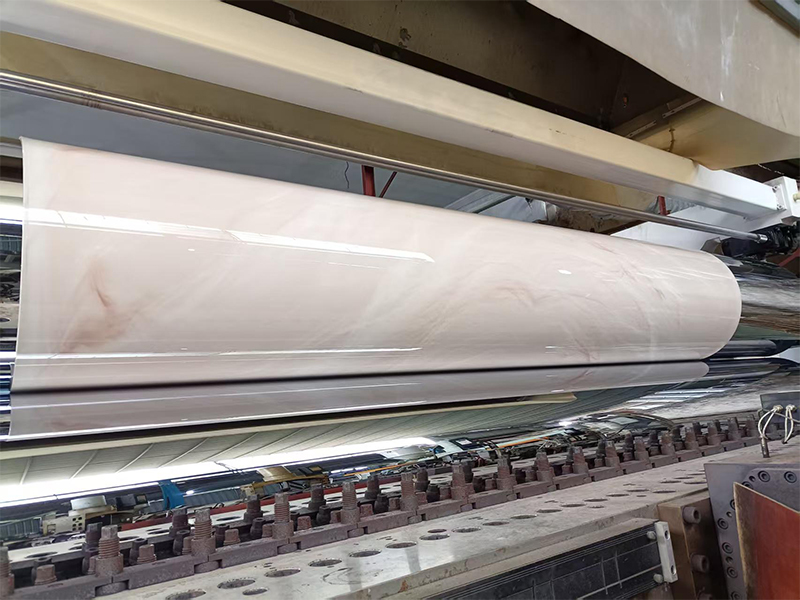
The molds for bathroom fixtures such as bathtubs, shower enclosures, and back panels are usually made by vacuum forming with acrylic or composite plastic sheets. Due to the complex appearance of products like bathtubs and the relatively deep forming height, the materials and machinery used for ordinary packaging cannot meet the process requirements. Therefore, choosing the appropriate materials and equipment is the foundation for excellent mold forming of bathroom fixtures.
2. Panels
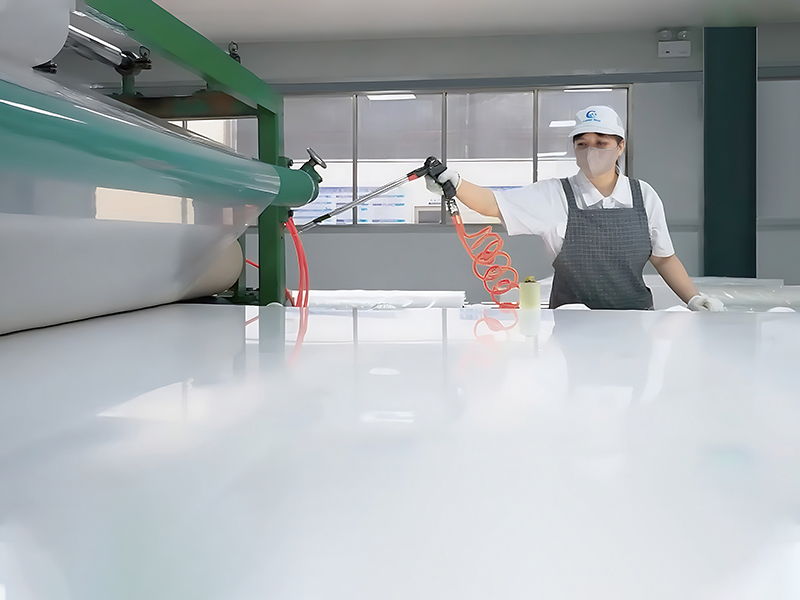
The plastic plates used for shaping sanitary ware are mainly made of pure acrylic (chemical name: methyl methacrylate) material or ABS composite material, as well as the newly developed thermoplastic materials. The special acrylic plates for sanitary ware have excellent surface smoothness. Their wear resistance is equivalent to that of aluminum, they are not prone to being scratched, easy to clean, and if there is an accidental surface scratch, they can be quickly and conveniently restored by using a polishing agent.
3. Molds
In actual production, first, based on the design drawings or samples of the sanitary ware molding, the processing of the injection molding mold is designed. The injection molding mold generally uses aluminum alloy or resin molds. The aluminum alloy mold has a long service life, good process characteristics, and high surface finish. However, due to its higher cost and longer processing cycle, its application in the production of conventional sanitary ware products is somewhat limited.
4. Vacuum Forming
After cutting the plates as required, they are heated and softened in the oven of the thermoforming machine. The temperature is generally between 180 and 220 degrees for acrylic plates, and 140 to 190 degrees for composite plates. The softened plates are then mechanically pressed onto the mold. Under the sealed condition of the mold, through the expansion and suction of compressed air or vacuum, the plates undergo thermal stretching deformation and adhere to the mold wall. At the right time, the cooling fan is started to make the plates harden and form. Then, the mold is removed and the product is taken out.
5. Application of Adhesive
After the molding process, the raw material needs to be reinforced with resin coating. The so-called resin coating usually involves applying unsaturated resin and glass fibers to the bottom of the sanitary ware molding material, so as to ensure that the formed product has sufficient strength. There are generally two methods for resin coating: mechanical spraying and manual application. Mechanical spraying uses a special spray gun to spray the resin and cut glass fibers onto the bottom surface of the sanitary ware, and then it is flattened by a robot or manual roller. Currently, in the production of sanitary ware, the mechanical application method is more commonly used. After the resin coating is completed, it is best to place it in a constant temperature curing oven in an environment of 4050℃ - in a drying room to fully cure. The products cured under constant temperature conditions will have significantly reduced deformation in the future.
6. Edge Trimming
After the adhesive is applied and the product is cured, the edge trimming and cutting process begins. Manual cutting is labor-intensive and time-consuming, and the quality is difficult to guarantee. Moreover, there are serious safety hazards.
7. Drilling holes
For the drilling on sanitary fixtures such as bathtubs, if they are on a flat surface, it is advisable to use machinery for processing, such as multi-hole drills. For the side-mounted device holes like shower heads, machining centers or robotic arms (industrial robots) can be used for processing. However, due to the high cost of such equipment, currently, most of them are processed manually.
8. Grinding
The device holes on the sanitary ware need to be ground to prevent water leakage. Use a special grinding tool. On the back of the sanitary ware, the adhesive layer should be ground to form a circular device plane, which is more conducive to the leak-proof protection during the installation of accessories. This process cannot be ignored.
9. Support
The fixtures' supports can be made of various materials such as wood, plastic, and steel structure. Among them, stainless steel square tubes are used more frequently. During the bonding process, the pads or frames used for installing the supports should be fixed in the appropriate position of the product, and then the supports should be installed using screws or clamps. The quality of the fixtures' supports directly affects the safety of the users. Therefore, the fixtures' supports must be made sturdy and stable.
10. Assembly
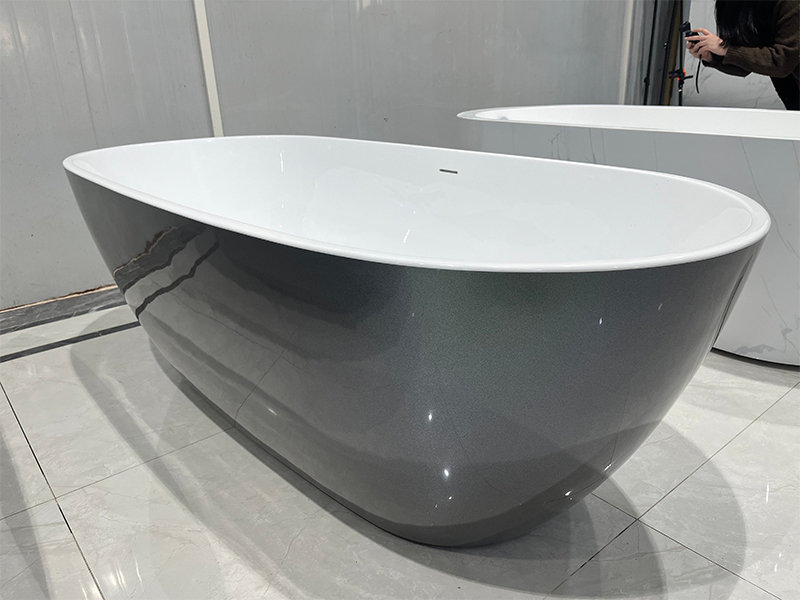
When installing water components and electrical appliances, ensure waterproofing to guarantee safety. At this point, the acrylic bathtub has been completed.