English
 Russian
 Spanish
 Portuguese
 Arabic
 German
Acrylic: A Revolution in Bathtub Materials
The evolution of bathtub materials reflects the broader development of bathroom design and manufacturing technology. From heavy cast iron to fragile ceramic and cost-sensitive fiberglass, each material has played a role in shaping the modern bathing experience. Among these options, acrylic has emerged as a transformative solution, redefining comfort, flexibility, and efficiency in bathtub production.
The Limitations of Traditional Bathtub Materials
Traditional materials such as cast iron and ceramic are known for durability, but they come with significant drawbacks. Cast iron bathtubs are extremely heavy, increasing transportation and installation costs. Ceramic surfaces, while hard and smooth, are prone to cracking under strong impact.
Fiberglass, introduced as a lightweight alternative, reduced costs and simplified installation. However, its long-term durability and surface stability may decline over time, especially under frequent use.
As bathroom spaces evolved to prioritize both comfort and modern aesthetics, the need for a more balanced material became evident.
What Makes Acrylic Different?
Acrylic, technically known as PMMA (polymethyl methacrylate), is a thermoplastic material widely used in sanitary applications. Unlike rigid traditional materials, acrylic offers a unique combination of strength, flexibility, and design adaptability.
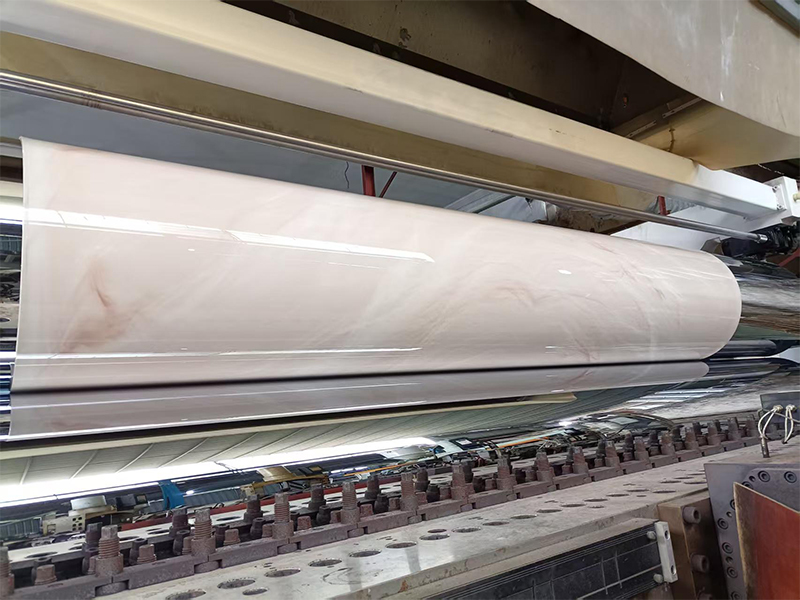
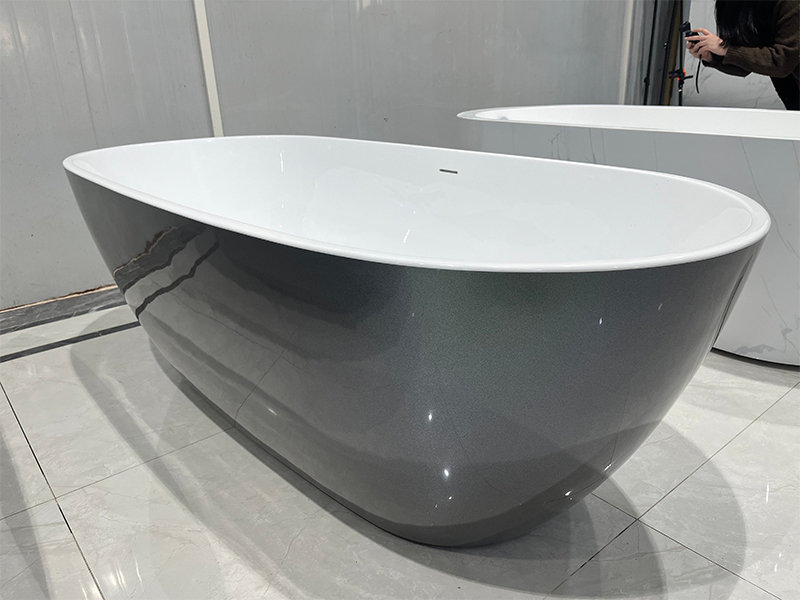
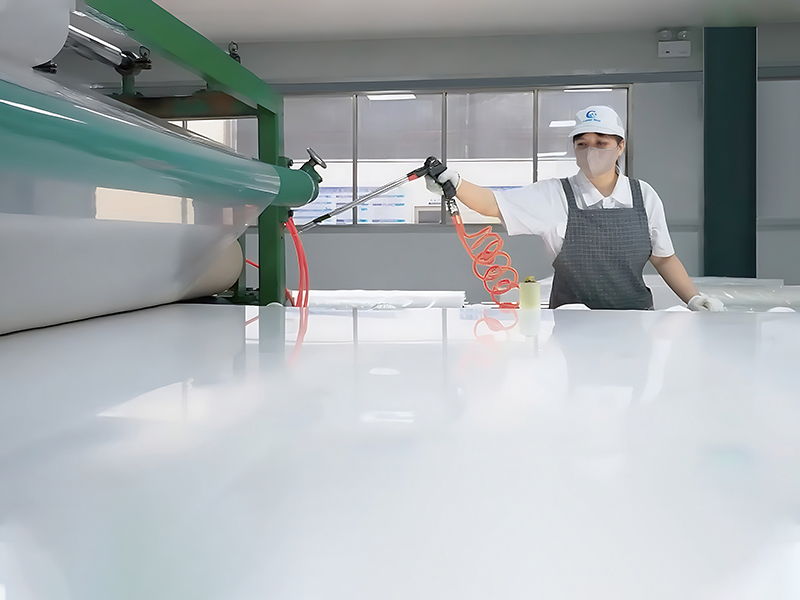
One of its most important advantages is thermoformability. Acrylic sheets can be heated and shaped into a wide variety of bathtub designs without compromising structural integrity. This flexibility enables contemporary freestanding tubs, ergonomic soaking tubs, and customized shapes that would be difficult to achieve with heavier materials.
Enhanced Comfort and Thermal Performance
Comfort is a key factor in modern bathroom design. Acrylic surfaces feel warmer to the touch compared to metal or enamel-coated tubs. In addition, acrylic offers good heat retention properties, helping maintain water temperature during extended bathing sessions.
The smooth, non-porous surface also provides a comfortable skin contact experience and simplifies routine cleaning and maintenance.
Lightweight Yet Durable
Compared to cast iron or stone-based materials, acrylic bathtubs are significantly lighter. This reduces installation complexity and makes them suitable for a wider range of residential and commercial projects.
At the same time, when reinforced properly during manufacturing, acrylic tubs provide reliable structural performance and long-term durability under normal use conditions.
Design Versatility for Modern Spaces
Modern bathrooms demand more than function—they require visual harmony and design flexibility. Acrylic’s adaptability allows manufacturers to produce bathtubs in diverse shapes, colors, and finishes, meeting contemporary interior design trends.
This versatility has made acrylic a preferred material in hotels, apartments, residential homes, and renovation projects worldwide.
Conclusion
Acrylic represents a significant advancement in bathtub materials. By combining lightweight construction, thermal comfort, design flexibility, and cost efficiency, it addresses many of the limitations associated with traditional materials.
As bathroom design continues to evolve, acrylic remains at the forefront of innovation, offering a balanced solution for manufacturers, designers, and end users alike.