English
 Russian
 Spanish
 Portuguese
 Arabic
 German
Cast Acrylic Sheet Manufacturing Process
Acrylic sheets produced through the casting process are widely used in high-end applications such as bathtubs, sanitary ware, architectural panels, and industrial components. Compared to extruded acrylic sheets, cast acrylic sheets offer superior optical clarity, thickness uniformity, chemical resistance, and surface hardness. The following is an overview of the cast acrylic sheet manufacturing process:
1. Raw Material Preparation
The casting process begins with high-purity methyl methacrylate (MMA) monomer. Depending on the final application requirements, additives such as initiators, stabilizers, pigments, or UV absorbers may be added. The raw materials are carefully mixed to ensure chemical stability and consistent performance.
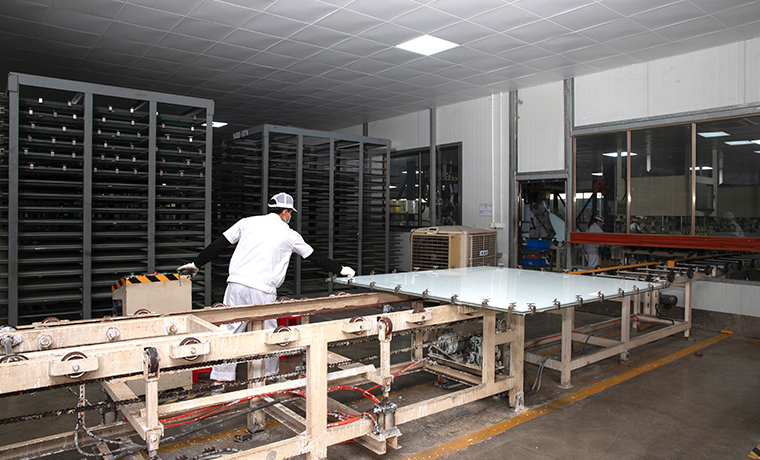
2. Mold Assembly
The mold is constructed using two highly polished glass plates, with spacers placed at the edges to control the thickness of the acrylic sheet. The mold must be precisely sealed to prevent leakage and air bubbles during the polymerization process.
3. Monomer Pouring
The prepared MMA liquid is poured into the assembled glass mold. This step requires strict control to avoid impurities and air bubbles, as these defects can affect the transparency and mechanical properties of the finished acrylic sheet.
4. Polymerization (Curing)
After filling, the mold is placed in a temperature-controlled water bath or oven. Under controlled temperature and time conditions, the liquid monomer slowly polymerizes to form solid polymethyl methacrylate (PMMA). This gradual curing process minimizes internal stress, resulting in a more stable and durable sheet.
5. Cooling and Demolding
Once polymerization is complete, the mold is slowly cooled to room temperature. The glass plates are then carefully separated, and the solid acrylic sheet is removed. At this stage, the sheet already possesses excellent optical clarity and surface smoothness.
6. Cutting and Finishing
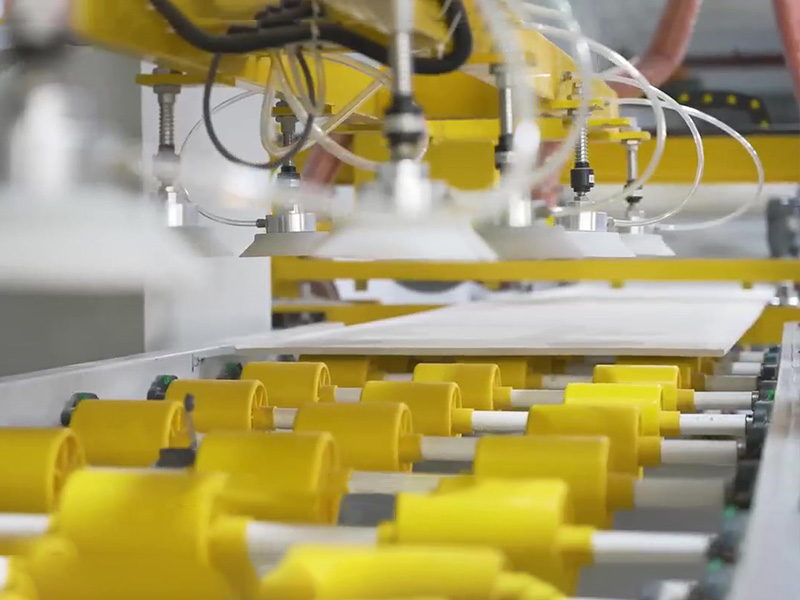
The cast acrylic sheet is trimmed according to specifications. Additional processing such as polishing, annealing, or surface treatment may be performed to meet the specific requirements of bathtub manufacturing or other applications.
7. Quality Inspection
Each acrylic sheet undergoes rigorous quality inspection, including thickness tolerance, surface quality, transparency, and mechanical properties. Only sheets that meet industry standards are approved for shipment. Acrylic sheets produced using the casting manufacturing process possess excellent visual quality, strength, and long-term stability. These characteristics make cast acrylic sheets an ideal material for high-end bathtubs and sanitary ware products, which demand exceptional appearance, durability, and performance.