English
 Russian
 Spanish
 Portuguese
 Arabic
 German
Walk into any acrylic factory, and you’ll find two main types of sheets: cast and extruded. To the untrained eye, they look identical—clear, glossy, and transparent. But for B2B buyers, fabricators, and designers, the difference is night and day. Cast acrylic is made by pouring liquid acrylic into molds, while extruded acrylic is pushed through a continuous die. The manufacturing process changes everything: cost, clarity, machinability, and durability. Choosing the wrong type can ruin your project or blow your budget.
What Is Cast Acrylic?
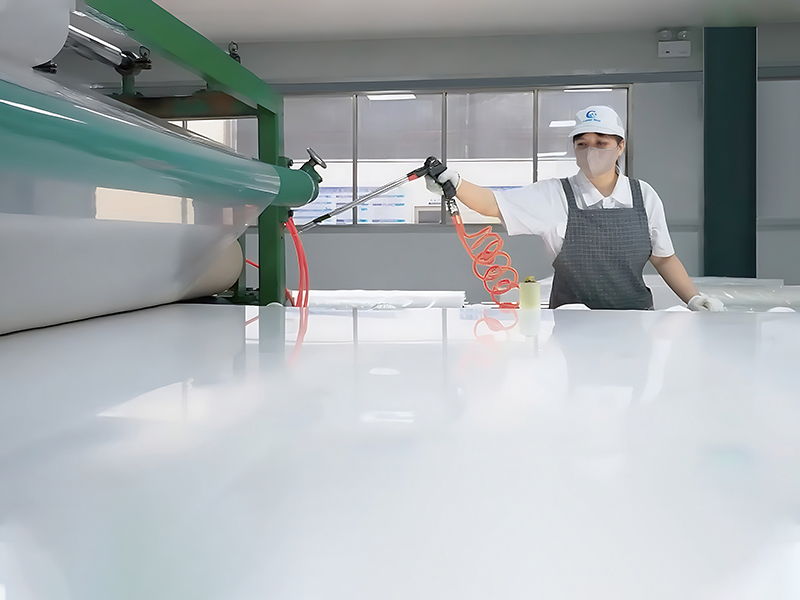
Cast acrylic (also known as cell cast) is produced by pouring liquid PMMA between two glass plates, then curing it in an oven. The result is a thick, uniform sheet with exceptional clarity.
Pros:
Superior optical clarity (93% light transmission)
Excellent heat resistance
Easy to machine, drill, and bend without cracking
Better chemical resistance
Cons:
More expensive (20–30% higher than extruded)
Longer production time
Best For: High-end displays, aquariums, laser cutting, and acrylic sheets for architectural applications.
What Is Extruded Acrylic?
Extruded acrylic is made by melting PMMA resin and pushing it through a die, then cooling it into a continuous sheet. It’s the most common type on the market.
Pros:
Lower cost (factory-direct pricing)
Consistent thickness across large runs
Fast production
Good UV resistance
Cons:
Slightly lower clarity (92% light transmission)
More prone to cracking during machining
Less heat resistant
Best For: Standard signage, POP displays, and wholesale acrylic sheets for bulk orders.
Head-to-Head Comparison
Clarity & Appearance
Cast: Crystal-clear, no distortions; ideal for high-end retail.
Extruded: Slight haze; fine for most commercial uses.
Machinability
Cast: Drills, cuts, and bends cleanly; no chipping.
Extruded: Chips easily; requires slow speeds and sharp tools.
Cost
Cast: Premium pricing; for quality-focused buyers.
Extruded: Budget-friendly; perfect for cost-sensitive projects.
Durability
Cast: Withstands high temperatures and chemicals.
Extruded: Good for normal use; avoid extreme heat.
Which Should You Choose?
Pick Cast Acrylic If:
You need high clarity (luxury displays, museum cases)
You plan to laser cut or engrave
The project involves bending or complex machining
You need chemical resistance
Pick Extruded Acrylic If:
You need bulk quantities at low cost
The project is standard signage or POP displays
You don’t need extreme clarity
You need fast delivery
Common B2B Use Cases
Retail & Signage
Most retail signs use extruded acrylic for cost-effectiveness. High-end brand displays use cast for clarity.
Architecture & Construction
Acrylic sheets for architectural glazing often use cast acrylic for durability and clarity.
Industrial & OEM
OEM parts and machine guards typically use extruded acrylic for affordability.
Final Verdict
There’s no “one-size-fits-all” answer. Cast acrylic delivers premium quality for high-end projects, while extruded acrylic offers unbeatable value for standard applications. As a B2B buyer, your choice depends on budget, project requirements, and quality expectations. At [Brand], we supply both cast acrylic sheets and extruded acrylic sheets in custom sizes, colors, and finishes to match your exact business needs.